



By ARG Contracts on Oct 28, 2026, 11:00:02 AM
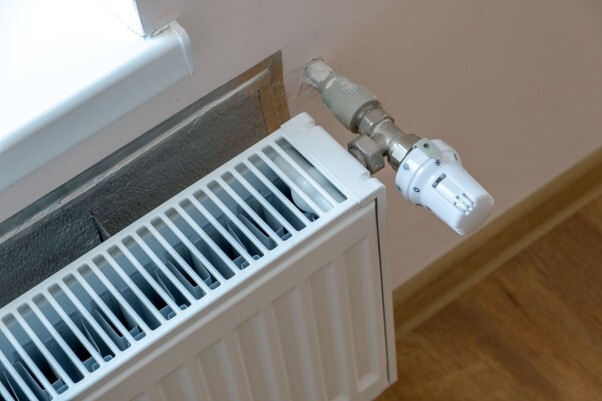
Knowing the signs your heating system needs power flushing can help you recognise when poor circulation is affecting your central heating.
Over time, rust and debris can build up inside radiators and pipework, creating sludge that restricts water flow and heat distribution.
A central heating power flush can remove contamination, although it is not the right solution for every heating problem.
Here are five warning signs to look out for.
What Is Power Flushing?
Power flushing is a professional cleaning process that uses specialist equipment to circulate water and suitable cleaning chemicals through a heating system, loosening and removing sludge, rust and other deposits.
The benefits of power flushing can include improved circulation and more even heating where sludge is responsible.
However, cold radiators and unusual noises can have other causes, so proper diagnosis should come first.
1. Radiators Are Cold At The Bottom
One of the better-known signs your heating system needs power flushing is a radiator that stays cold at the bottom while the top becomes warm.
This can happen when sludge collects at the bottom and restricts water circulation.
By contrast, a radiator that is cold at the top often contains trapped air and may need bleeding.
If several radiators have cold lower sections, take a long time to warm up or never reach an even temperature, arrange a system check. These symptoms can indicate a wider circulation problem rather than an issue with one radiator.
2. Some Radiators Heat Much More Slowly Than Others
Radiators will not necessarily warm up simultaneously, but significant differences can indicate circulation problems.
You might notice one room warming quickly while another radiator remains lukewarm despite its valves being open.
Possible causes include restricted pipework, poor balancing, faulty valves and sludge.
Where contamination restricts circulation, a central heating power flush may help, but an engineer should identify the cause first.
This is important because cleaning the system will not resolve a faulty valve or an incorrectly balanced heating system.
3. The Boiler Or Radiators Are Making Unusual Noises
Banging, knocking, gurgling or kettling noises should not simply be dismissed as normal for an older system.
Some noises result from trapped air, while others may indicate restricted circulation or contamination.
Kettling resembles a kettle boiling and can be associated with restricted water flow or deposits affecting heat transfer inside the boiler.
Unusual noises are possible signs your heating system needs power flushing, but they do not prove sludge is responsible.
An engineer can investigate before recommending treatment. If the noises are new, persistent or becoming more noticeable, arranging an inspection is sensible.
4. Water From Radiators Looks Dark Or Dirty
Dark or discoloured water released during radiator bleeding or maintenance may indicate corrosion products or contamination.
Dirty system water can contribute to restricted circulation and component wear.
You should not drain your heating system simply to check the water. However, if contamination is noticed during maintenance, ask an engineer whether cleaning is necessary.
Removing harmful deposits is one of the potential benefits of power flushing when the system is suitable.
The engineer can also assess whether further measures are needed to help protect the system against future corrosion.
5. Heating Problems Keep Returning
Perhaps a radiator improves after bleeding but soon performs badly again. Or certain rooms remain cold despite thermostat and valve adjustments.
Recurring problems may indicate sludge, pipe restrictions, poor balancing or another underlying fault.
A professional inspection can identify the cause and determine the appropriate treatment.
A central heating power flush is only useful when it addresses the actual problem.
Repeated symptoms should not be ignored simply because the heating continues to operate. Investigating them early may help prevent further inconvenience.
How Does Sludge Affect The Heating System?
Accumulated debris can restrict water circulation through radiators and pipework.
Some rooms may remain underheated while the boiler continues running to satisfy the thermostat. Poor circulation can also strain components.
Cleaning a contaminated system may improve heat distribution.
These are among the main benefits of power flushing, although results depend on the system's condition and design.
Does Every Old Heating System Need Power Flushing?
No. Age alone does not mean power flushing is necessary, and a cold radiator does not automatically indicate sludge.
Depending on the diagnosis, alternative solutions include:
- Bleeding a radiator
- Balancing the system
- Replacing a faulty valve
- Repairing a circulation problem
- Carrying out a chemical clean
- Repairing or replacing another component
Professional diagnosis helps avoid unnecessary treatment.
Can Power Flushing Damage Old Pipework?
Heating systems should be assessed before intensive cleaning.
If pipework or components are badly deteriorated, power flushing may expose existing weaknesses or leaks.
A heating professional can assess the system and recommend suitable cleaning or repairs rather than automatically carrying out a power flush.
The condition of older radiators, valves and pipe connections should be considered before deciding whether the process is appropriate.
Get The Right Diagnosis First
The main signs your heating system needs power flushing include cold radiator bottoms, uneven heating, unusual noises, dirty system water and recurring circulation problems.
Where sludge is responsible, a central heating power flush may improve circulation and deliver the benefits of power flushing.
However, identifying the underlying cause is essential.
ARG Contracts can inspect your heating system and recommend appropriate treatment without unnecessary work.
Concerned about cold radiators, poor circulation or recurring heating problems? Contact ARG Contracts to discuss your symptoms and arrange a professional assessment.

Image Source: Envato
No Comments Yet
Let us know what you think