



By ARG Contracts on Nov 18, 2026, 11:00:02 AM
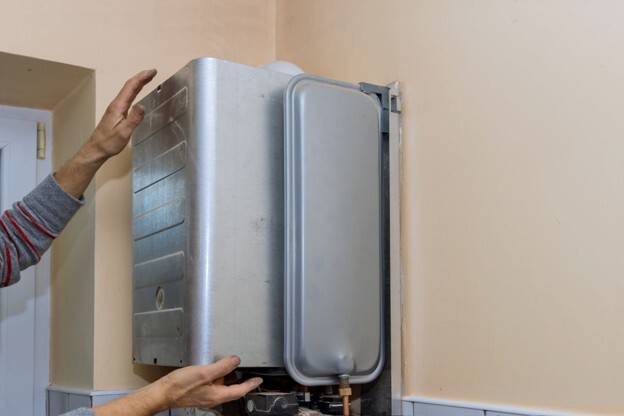
The typical life expectancy of a combi boiler is often around 10 to 15 years when the boiler has been installed correctly and looked after properly.

That is only a general guide, though.
Some boilers develop costly problems sooner, while others remain reliable beyond that range. The actual combi boiler lifespan depends on installation quality, servicing, system condition, household demand and how quickly developing faults are dealt with.
Understanding those factors can help you decide whether an older boiler is still worth repairing or whether replacement is becoming the more practical option.
How Long Should A Combi Boiler Last?
For many households, 10 to 15 years is a sensible expectation.
That does not mean a boiler automatically needs replacing as soon as it reaches its tenth birthday.
Age should be considered alongside reliability and condition.
A 12-year-old boiler that has been serviced regularly and rarely causes problems may still have useful life left. On the other hand, a younger boiler that has suffered repeated faults or poor installation may become troublesome much earlier.
The life expectancy of a combi boiler is therefore better treated as a range rather than an expiry date.
Installation Quality Makes A Difference
A boiler can only perform as well as the system it has been fitted into.
Correct sizing, suitable pipework, good system-water quality and professional commissioning all contribute to long-term reliability.
A poor installation can create problems from the beginning, including inadequate performance and unnecessary strain on components.
This is why choosing the right boiler and having it installed properly matters just as much as buying a reputable model.
Correct Boiler Sizing
Bigger is not always better.
A boiler should be selected according to the needs of the property and household.
The engineer should consider factors such as:
- Property heat loss and insulation
- Heating requirements
- Number of bathrooms
- Hot-water demand
- Existing system design
Correct sizing helps the boiler meet demand without choosing an unnecessarily powerful appliance.
It can therefore contribute to a healthier combi boiler lifespan.
Annual Servicing
Annual servicing allows a Gas Safe registered engineer to inspect a gas combi boiler, carry out safety and operational checks, and identify developing faults.
Servicing does not guarantee that a boiler will never break down, but neglecting maintenance makes it easier for problems to go unnoticed.
Some manufacturer warranties also require servicing at specified intervals, so it is worth checking the conditions that apply to your boiler.
System-Water Quality
The water circulating through a central heating system can affect components over time.
Corrosion products and sludge may restrict circulation or contribute to wear if the system is not properly maintained.
Good installation and appropriate system treatment help protect the boiler and radiators.
If your radiators regularly develop cold spots or dirty water is found in the system, it may be worth having the heating system assessed rather than focusing only on the boiler itself.
Household Demand
A boiler serving a busy household may have a different working life from one used in a smaller property with modest demand.
Frequent heating and hot-water use can increase wear on certain components over time, although installation quality, maintenance and system condition also influence reliability.
That does not mean large families should expect their boilers to fail quickly, but it is another reason why the appliance should be properly selected for the property.
Choosing a boiler that struggles to meet normal demand can create frustration from the start.
Signs An Older Boiler May Be Declining
Homeowners often search for the signs the boiler needs replacing, particularly when an older appliance starts developing repeated faults.
These can include:
- Frequent breakdowns
- Unusual noises
- Inconsistent hot water
- Slow heating
- Repeated pressure loss
- Regular fault codes
- Difficulty obtaining replacement parts
One isolated repair does not automatically mean the boiler needs replacing.
However, when several of these problems occur together on an older appliance, it makes sense to review whether continued repair is still good value.
Repair Or Replace?
This is often the difficult part.
If a repair is relatively inexpensive and the boiler has otherwise been reliable, repairing it may be perfectly sensible.
If the appliance is already near the upper end of the typical combi boiler lifespan and needs increasingly expensive repairs, replacement may provide better long-term value.
Questions worth considering include:
- How old is the boiler?
- How often has it broken down recently?
- What will the repair cost?
- Are parts readily available?
- Has heating or hot-water performance deteriorated?
- Is another major repair likely soon?
The answer should be based on your individual boiler rather than a blanket rule.
Should You Replace A Boiler At 10 Years Old?
Not automatically.
Ten years is a useful point at which to become more aware of the boiler's condition, but age alone does not justify spending thousands on replacement.
A professional inspection can help determine whether the boiler is still operating reliably and whether current faults are straightforward to repair.
When considering the signs a boiler needs replacing, repeated expensive repairs are often more significant than the boiler reaching a particular age.
Do Not Wait For Complete Failure If Problems Are Increasing
There is also little benefit in waiting until an obviously declining boiler fails completely.
If breakdowns are becoming more frequent, planning replacement in advance gives you more time to consider the right system and arrange the work without the pressure of having no heating or hot water.
This can be particularly valuable before winter.
Get A Clear Assessment Of Your Existing Boiler
The life expectancy of a combi boiler is commonly around 10–15 years, but maintenance, system condition and installation quality all influence how long an individual boiler lasts.
Rather than assuming an older boiler must be replaced, look at reliability, repair costs and the wider signs the boiler needs replacing. Those factors give a much better indication of whether your boiler has reached the end of its practical combi boiler lifespan.
ARG Contracts can assess your boiler and heating system and explain whether repairing it still makes sense or whether replacement is the more practical option.
If your combi boiler is becoming unreliable, contact ARG Contracts for a professional assessment.
Image Source: Envato
No Comments Yet
Let us know what you think